Why Black Americans Can't Afford to Sleep on Artificial Intelligence
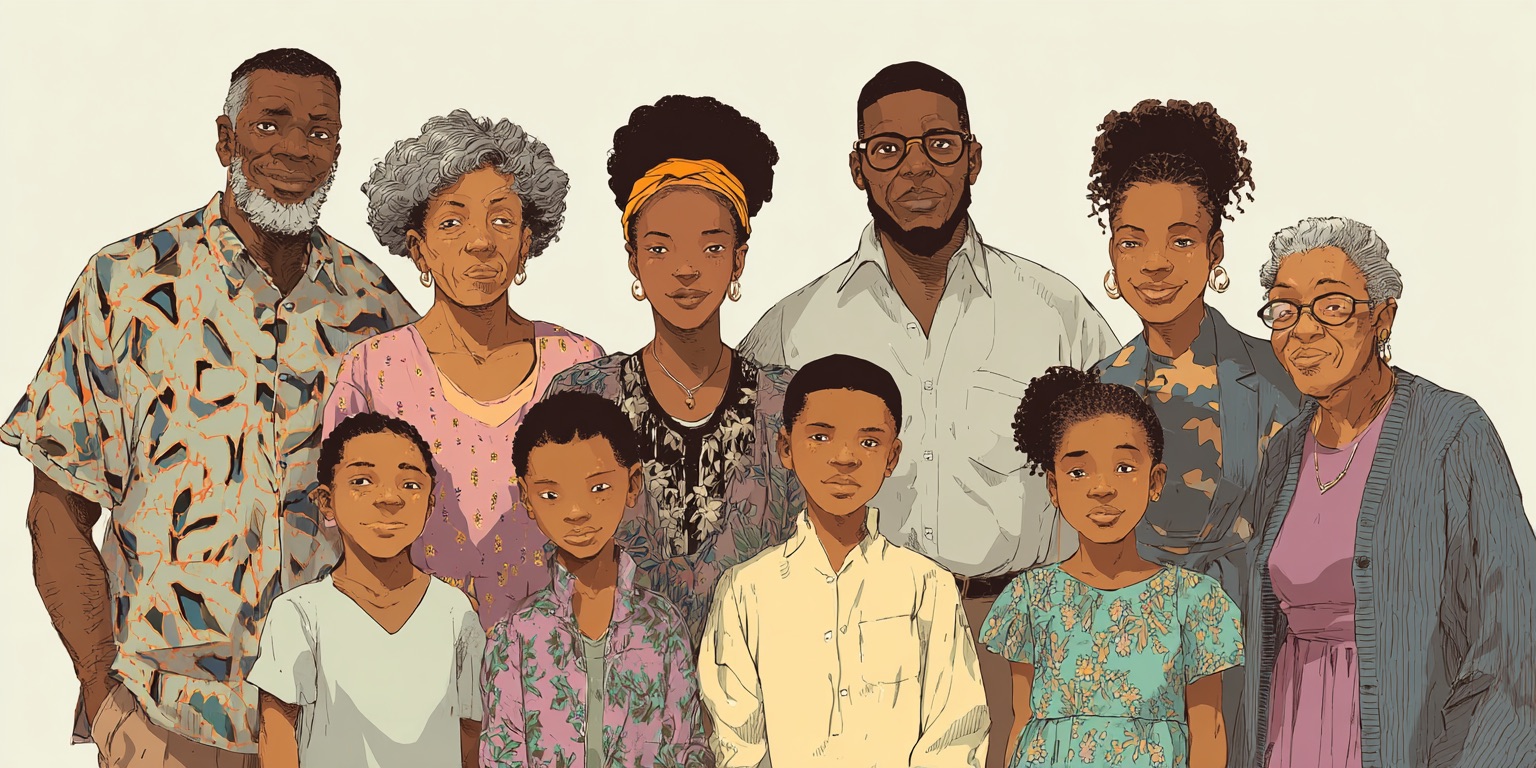
Why Black Americans Can't Afford to Sleep on Artificial Intelligence
The African American community has been systematically underserved, underrepresented, and overlooked in the United States: particularly in tech and STEM. I've witnessed this firsthand. There are systemic reasons why Black builders and creatives have historically received less capital investment than their counterparts, and with less capital, your options are by design just smaller. That's not an opinion: it's the structure we've been operating inside of.
That's why, in 2026, I'm tripling down on AI. We're in a moment where artificial intelligence gives individuals the ability to dramatically increase what they can build, ship, and create: without necessarily needing the resources that have traditionally been gatekept from us. And at the end of the day, the further you can go on less, the less that funding gap actually matters.
I get why there's pushback. Black people are a deeply creative community, and generative AI has rightfully raised alarms around creative ownership, labor, and representation. Those concerns are real and worth taking seriously. But my gut tells me that running away from this moment would be a mistake.
But before I commit to that stance fully, I want to do my homework. I want to look at the real data, analyze where the impact of AI actually lands on the Black community, and use that to pressure-test my own intuition, so I can have a more grounded take on how we should be engaging with this technology.